

-
About
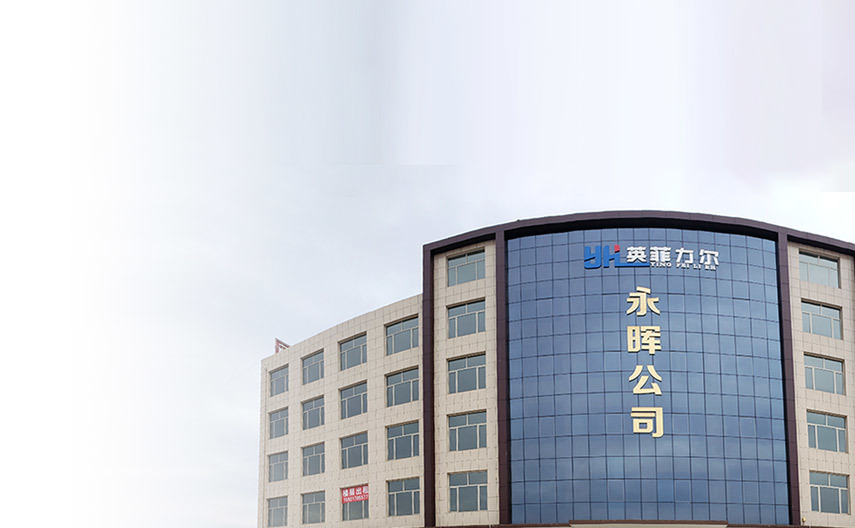
Hebei Yonghui Energy Saving Technology Co., Ltd. is a company integrating production and trade, established in August 2012. The company currently covers an area of over 21,000 square meters. It is located in the eastern part of Renqiu City. We are recruiting agents from various countries. The company has a strong professional technical team and a high-quality management team. The company currently has over 60 employees, including 8 management staff and 5 technical staff. We provide the best products at the best prices.
-

News
The company boasts a strong professional technical team and a high-quality management team. The company currently has over 60 employees, 8 managers, and 5 technical personnel. We offer excellent products at reasonable prices. We have a professional R&D team and a responsive sales team. Products have passed provincial inspections, all tests were passed, meeting industry standards.

Unveiling the Wonders of Hot Melt Butyl Rubber: The Unsung Hero in Modern Industry
2025-06
Discover the versatility and benefits of hot melt butyl rubber in various applications, from automotive to construction.
Introduction: What is Hot Melt Butyl Rubber?
When it comes to innovative materials, hot melt butyl rubber is often an unsung hero that deserves a spotlight. This versatile polymer has made its mark across several industries, from automotive to construction, and its applications are nothing short of impressive. So, what exactly is hot melt butyl rubber? Simply put, it's a synthetic rubber known for its adhesive properties and robust performance in various conditions.
The Science Behind Hot Melt Butyl Rubber
Hot melt butyl rubber (HMBR) is created through a unique process that involves heating and mixing butyl rubber with additives, resulting in a thermoplastic elastomer. This means it can be melted and reshaped, making it incredibly adaptable. It’s like the Swiss Army knife of materials—handy for a multitude of tasks!
Why It’s Gaining Popularity
You might be wondering why HMBR is becoming the go-to choice for so many industries. Well, let me tell you, it has a multitude of advantages:
- Excellent waterproofing capabilities
- Strong adhesion to various substrates
- Resistant to weathering and aging
- Good flexibility at low temperatures
- Easy to process and apply
These perks make it a prime candidate for sealing applications, construction materials, and automotive components.
Applications in Different Industries
Let’s dive into how hot melt butyl rubber is making waves across various sectors:
1. Automotive Industry
In the automotive realm, HMBR is a game-changer. It’s primarily used in weatherstripping and sealing applications. The material’s ability to withstand harsh weather conditions while maintaining a tight seal ensures that vehicles remain energy-efficient and comfortable for passengers. Who wouldn’t want a car that keeps the elements at bay?
2. Construction Sector
When it comes to construction, hot melt butyl rubber shines as a reliable adhesive for roofing membranes and insulation materials. Its waterproof nature makes it ideal for sealing joints, ensuring that buildings can stand the test of time, rain or shine!
3. Consumer Products
Believe it or not, HMBR also finds its way into everyday consumer products. Think about it: from household adhesives to weather-resistant outdoor gear, this material is quietly enhancing your daily life.
The Environmental Angle
In today’s eco-conscious world, it’s crucial to consider the environmental impact of materials we use. Hot melt butyl rubber is relatively low in volatile organic compounds (VOCs), making it a safer choice for both consumers and the planet. Plus, its durability means less waste over time—now that’s a win-win!
The Future of Hot Melt Butyl Rubber
As technology advances, we can expect to see even more innovative uses for hot melt butyl rubber. Researchers are constantly exploring ways to enhance its properties, improve its sustainability, and expand its applications. Keep your eyes peeled; this is one material that’s here to stay!
Conclusion: A Material Worth Watching
In summary, hot melt butyl rubber is more than just a fancy term—it's a material that’s reshaping industries and improving products all around us. Whether you’re an industry professional or just a curious consumer, it’s clear that HMBR is something worth keeping an eye on. So next time you encounter this remarkable material, you’ll know just how significant it really is!

Hebei Yonghui Energy Saving Technology Co., Ltd.
Hebei Yonghui Energy Saving Technology Co., Ltd. is a company integrating production and trade, established in August 2012. The company currently occupies an area of more than 21,000 square meters. It is located in the east of Renqiu City.


Contact Information
whatsapp: +86 181 9425 1442