

-
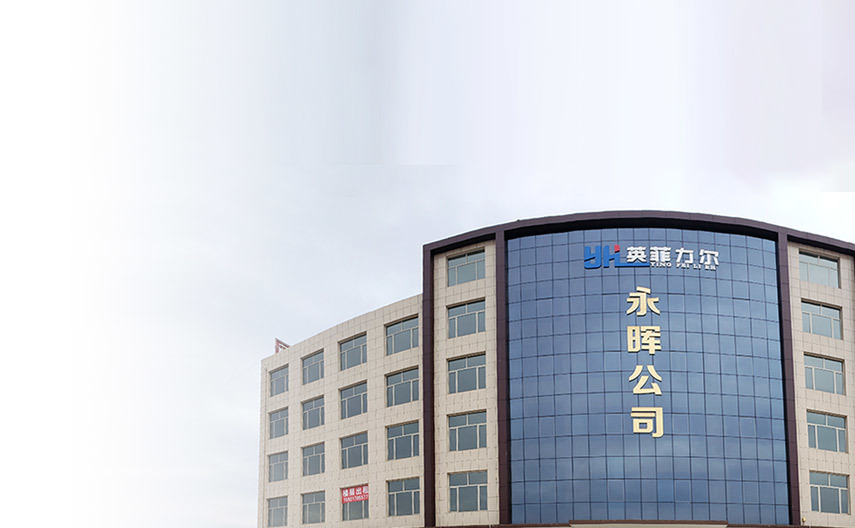
About
Hebei Yonghui Energy Saving Technology Co., Ltd. is a company integrating production and trade, established in August 2012. The company currently covers an area of over 21,000 square meters. It is located in the eastern part of Renqiu City. We are recruiting agents from various countries. The company has a strong professional technical team and a high-quality management team. The company currently has over 60 employees, including 8 management staff and 5 technical staff. We provide the best products at the best prices.
-

News
The company boasts a strong professional technical team and a high-quality management team. The company currently has over 60 employees, 8 managers, and 5 technical personnel. We offer excellent products at reasonable prices. We have a professional R&D team and a responsive sales team. Products have passed provincial inspections, all tests were passed, meeting industry standards.

Understanding Hot Melt Butyl Rubber: The Unsung Hero of Adhesives
2025-06
Dive into the world of hot melt butyl rubber, its uses, benefits, and why it's a game-changer in adhesives.
A Sticky Situation: What Is Hot Melt Butyl Rubber?
So, you might be wondering, what exactly is hot melt butyl rubber? This versatile material, often overshadowed by its more popular cousins, has been making waves in various industries, from automotive to construction. Simply put, it's a synthetic rubber that melts when heated and solidifies upon cooling, making it an ideal adhesive.
Why Use Hot Melt Butyl Rubber?
Oh boy, where do we begin? One of the major advantages of hot melt butyl rubber is its excellent adhesion properties. Whether you're sealing windows or bonding materials in a vehicle, this rubber sticks like glue – quite literally! Its ability to form strong bonds quickly means that production processes can be sped up, saving both time and money.
Applications Galore!
Hot melt butyl rubber isn’t just a one-trick pony. You’ll find it in:
- Automotive: Used for sound dampening and sealing, it helps create a quieter ride.
- Construction: Perfect for roofing and waterproofing applications due to its durability.
- Packaging: It’s great for those sticky labels and seals you encounter daily.
- Electronics: Provides insulation and protection for sensitive components.
Why It Stands Out
What makes this rubber stand out is its low-temperature flexibility and excellent resistance to moisture and UV light. Unlike other adhesives that can become brittle or lose their grip over time, hot melt butyl rubber maintains its integrity, ensuring that your materials stay bonded for the long haul.
The Environmentally Friendly Choice
In today’s world, going green is all the rage, and hot melt butyl rubber doesn’t disappoint. It has a lower environmental impact compared to other adhesives, as it contains fewer volatile organic compounds (VOCs). That means you can feel good about your choice, knowing it’s not just effective, but also eco-friendly!
The Application Process
Applying hot melt butyl rubber is as easy as pie! Just heat it up, apply it to the surfaces, and let it cool down. Voila! You’ve got a strong bond. It’s important to note, though, that proper surface preparation is key. Clean and dry surfaces will yield the best results.
Challenges and Considerations
Of course, every rose has its thorn. While hot melt butyl rubber has a plethora of benefits, it’s not without its challenges. For one, the initial set time can be longer than some other adhesives, so patience is a virtue. Additionally, it’s essential to store it properly, as exposure to extreme temperatures can affect its performance.
Wrapping It Up
In conclusion, hot melt butyl rubber is a powerhouse in the adhesive world that deserves more recognition. Its unique properties make it suitable for various applications, from the automotive industry to construction. So next time you come across this unsung hero, you can appreciate the sticky magic it brings to the table!

Hebei Yonghui Energy Saving Technology Co., Ltd.
Hebei Yonghui Energy Saving Technology Co., Ltd. is a company integrating production and trade, established in August 2012. The company currently occupies an area of more than 21,000 square meters. It is located in the east of Renqiu City.


Contact Information
whatsapp: +86 181 9425 1442