

-
About
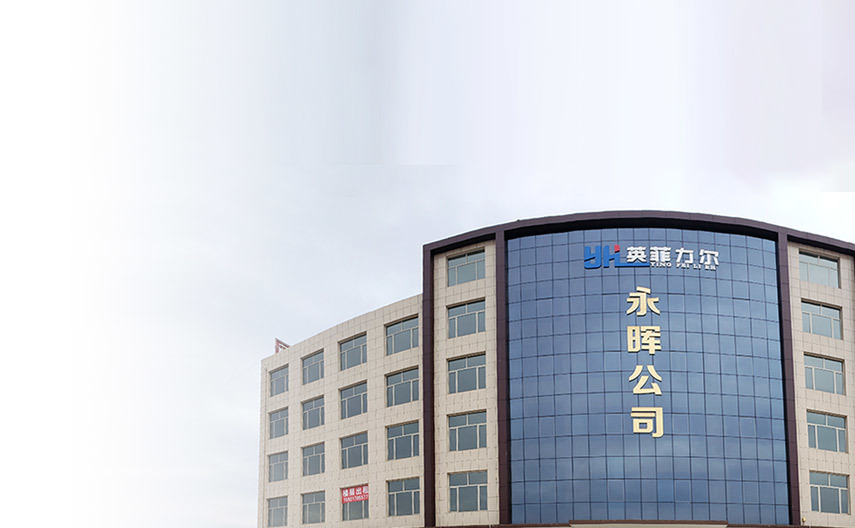
Hebei Yonghui Energy Saving Technology Co., Ltd. is a company integrating production and trade, established in August 2012. The company currently covers an area of over 21,000 square meters. It is located in the eastern part of Renqiu City. We are recruiting agents from various countries. The company has a strong professional technical team and a high-quality management team. The company currently has over 60 employees, including 8 management staff and 5 technical staff. We provide the best products at the best prices.
-

News
The company boasts a strong professional technical team and a high-quality management team. The company currently has over 60 employees, 8 managers, and 5 technical personnel. We offer excellent products at reasonable prices. We have a professional R&D team and a responsive sales team. Products have passed provincial inspections, all tests were passed, meeting industry standards.

The Marvels of Hot Melt Butyl Rubber: How It Works
2025-07
Explore the fascinating workings of hot melt butyl rubber and its applications in various industries.
Introduction to Hot Melt Butyl Rubber
Have you ever wondered how that resilient adhesive you see in various industries holds everything together? Well, let me introduce you to hot melt butyl rubber. This clever material is a game-changer, known for its superior elasticity, excellent adhesion, and outstanding weather resistance. But how does it actually work? Buckle up as we dive into the nitty-gritty of this versatile compound!
What is Hot Melt Butyl Rubber?
Hot melt butyl rubber is a synthetic rubber characterized by its unique properties. Created through a process known as polymerization, this material combines the best traits of rubber and adhesives. Unlike traditional adhesives, which often require solvents, hot melt butyl rubber is applied in a molten state. As it cools, it forms a strong bond that’s tough to beat!
The Science Behind It
Now, let's get a bit technical (but not too much!). The working principle of hot melt butyl rubber revolves around its thermoplastic nature. When heated, it transitions from a solid to a viscous liquid, allowing it to be spread or extruded onto surfaces. Once it cools, it solidifies, creating a firm yet flexible bond.
How It Bonds
So, how does this rubbery wonder stick? Well, it relies on several mechanisms: mechanical interlocking, surface wetting, and chemical bonding. First off, when applied to a surface, the hot melt butyl rubber seeps into tiny imperfections—think of it as finding a cozy little nook to settle in. As it cools and solidifies, it locks into place. Pretty nifty, huh?
Applications Galore
From automotive to construction, the applications of hot melt butyl rubber are vast! In the automotive industry, it's used for sealing windshields and bonding various components. In construction, it serves as a waterproofing agent for roofs and foundations. And let’s not forget about its role in the manufacturing of consumer products, where it’s often found in packaging and insulation.
Why Choose Hot Melt Butyl Rubber?
Now, you might be wondering why so many industries are jumping on the hot melt butyl rubber bandwagon. Here’s the scoop: it's not just about staying power. This material boasts excellent resistance to moisture, UV rays, and extreme temperatures. Plus, its ease of use—just heat it up and stick it on—makes it a favorite among manufacturers.
Environmental Considerations
In today’s eco-conscious world, you might be curious about the environmental impact of hot melt butyl rubber. Well, good news! It’s generally considered to be more environmentally friendly than solvent-based adhesives. Plus, since it’s applied in a solid state, there are fewer volatile organic compounds (VOCs) released into the atmosphere. Talk about a win-win!
Challenges and Limitations
Of course, nothing's perfect. Hot melt butyl rubber does have its limitations. For one, it might not adhere as well to certain surfaces, particularly those that are oily or very smooth. Additionally, while it performs well under many conditions, extreme temperatures can affect its bonding strength. Always do your homework before choosing it for your project!
Conclusion: The Future of Hot Melt Butyl Rubber
As we look to the future, hot melt butyl rubber continues to evolve. With ongoing research and development, we can anticipate even more innovative applications and improved formulations. So, whether you’re a DIY enthusiast or a seasoned professional, this remarkable material is worth keeping on your radar!
Final Thoughts
In a nutshell, hot melt butyl rubber is more than just a sticky substance; it's a versatile solution that has found its place in various industries. Understanding its working principle allows us to appreciate its applications even more. Next time you encounter this material, you’ll know the magic behind its bond!

Hebei Yonghui Energy Saving Technology Co., Ltd.
Hebei Yonghui Energy Saving Technology Co., Ltd. is a company integrating production and trade, established in August 2012. The company currently occupies an area of more than 21,000 square meters. It is located in the east of Renqiu City.


Contact Information
whatsapp: +86 181 9425 1442