

-
About
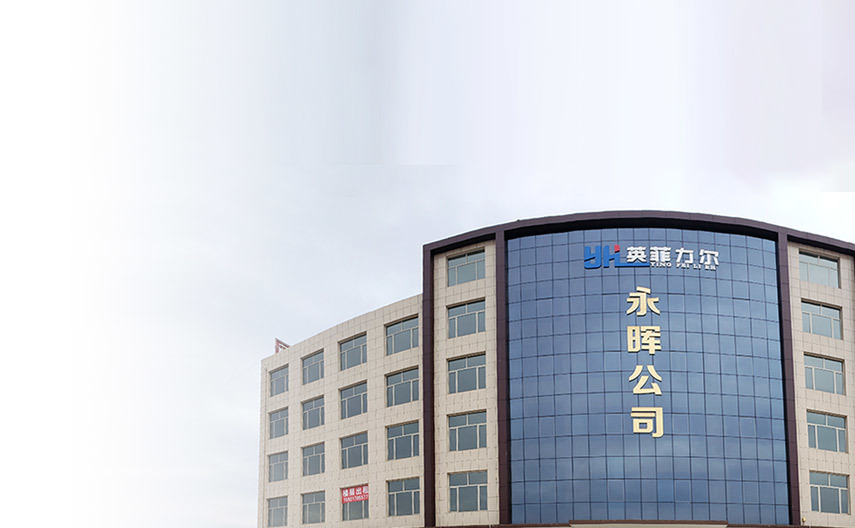
Hebei Yonghui Energy Saving Technology Co., Ltd. is a company integrating production and trade, established in August 2012. The company currently covers an area of over 21,000 square meters. It is located in the eastern part of Renqiu City. We are recruiting agents from various countries. The company has a strong professional technical team and a high-quality management team. The company currently has over 60 employees, including 8 management staff and 5 technical staff. We provide the best products at the best prices.
-

News
The company boasts a strong professional technical team and a high-quality management team. The company currently has over 60 employees, 8 managers, and 5 technical personnel. We offer excellent products at reasonable prices. We have a professional R&D team and a responsive sales team. Products have passed provincial inspections, all tests were passed, meeting industry standards.

Navigating the Essentials of Hot Melt Butyl Rubber: A User's Guide
2025-07
Discover key considerations for using hot melt butyl rubber in various applications, ensuring optimal performance.
Understanding Hot Melt Butyl Rubber
Hot melt butyl rubber, often simply referred to as butyl rubber, is a synthetic rubber that boasts impressive sealing and adhesive properties. It's a go-to material for a variety of applications, from automotive to construction. But before you dive in, there are a few things you ought to know.
Why Choose Hot Melt Butyl Rubber?
Well, let’s face it! When it comes to sealing solutions, hot melt butyl rubber stands out like a sore thumb in a crowd of options. Its flexibility, durability, and resistance to weathering make it the darling of many industries. Whether you're looking to seal windows, roofs, or even electronic components, this material has got your back.
A Few Important Considerations
Alright, let’s get down to brass tacks. Here are some crucial tips to keep in mind when working with hot melt butyl rubber:
1. Temperature Matters!
First off, pay close attention to the application temperature. Hot melt butyl rubber needs to be heated to a specific temperature range to ensure optimal melting and adhesion. Too hot? You might ruin the batch. Too cold? Well, good luck getting it to stick! It’s a bit of a balancing act, but totally worth it.
2. Surface Preparation is Key
You wouldn’t want to try painting a wall without prepping it first, right? The same goes for applying hot melt butyl rubber. Clean and dry surfaces are paramount for achieving a strong bond. Any dust, grease, or moisture can lead to a lackluster result. So, grab that cloth and get to work!
3. Choose the Right Application Method
There are various ways to apply hot melt butyl rubber, from extrusion to spraying. Each method has its pros and cons, depending on the project at hand. Make sure to select an application technique that suits your specific needs. Don’t be afraid to experiment a little to find your sweet spot!
4. Don’t Skimp on Safety
Now, let’s not forget about safety, folks! While hot melt butyl rubber is generally safe to use, it’s always a good idea to wear protective gear. Gloves, goggles, and even a mask can help keep you safe from any fumes or accidental burns. Better safe than sorry, right?
Common Applications of Hot Melt Butyl Rubber
So, where can you actually find this magical material in action? Here’s a taste:
- Automotive: Sealing windows, windshields, and even in tire manufacturing.
- Construction: Roofs, HVAC systems, and insulation.
- Consumer Goods: Adhesives in packaging and electronics.
Final Thoughts
In a nutshell, hot melt butyl rubber is a versatile material that, when handled properly, can yield fantastic results. Remember the pointers we discussed, and you’ll be well on your way to becoming a hot melt butyl rubber guru. So, roll up your sleeves, and let’s get to it!

Hebei Yonghui Energy Saving Technology Co., Ltd.
Hebei Yonghui Energy Saving Technology Co., Ltd. is a company integrating production and trade, established in August 2012. The company currently occupies an area of more than 21,000 square meters. It is located in the east of Renqiu City.


Contact Information
whatsapp: +86 181 9425 1442