

-
About
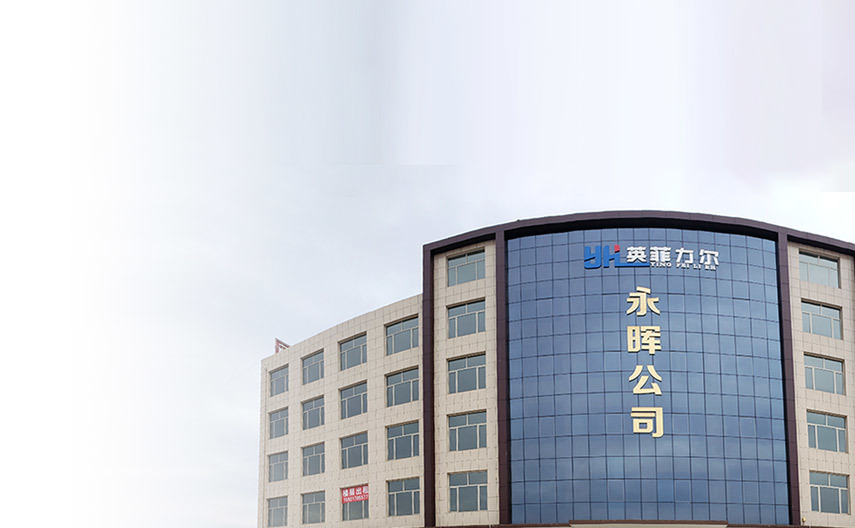
Hebei Yonghui Energy Saving Technology Co., Ltd. is a company integrating production and trade, established in August 2012. The company currently covers an area of over 21,000 square meters. It is located in the eastern part of Renqiu City. We are recruiting agents from various countries. The company has a strong professional technical team and a high-quality management team. The company currently has over 60 employees, including 8 management staff and 5 technical staff. We provide the best products at the best prices.
-

News
The company boasts a strong professional technical team and a high-quality management team. The company currently has over 60 employees, 8 managers, and 5 technical personnel. We offer excellent products at reasonable prices. We have a professional R&D team and a responsive sales team. Products have passed provincial inspections, all tests were passed, meeting industry standards.

Everything You Need to Know About Hot Melt Butyl Rubber
2025-07
Explore the ins and outs of hot melt butyl rubber, including common questions and practical insights.
The Lowdown on Hot Melt Butyl Rubber
So, you’ve heard about hot melt butyl rubber and you're wondering, "What’s the big deal?" Well, grab a cup of coffee and let’s dive into the fascinating world of this versatile material. It’s not just another rubber; it’s a game-changer!
What is Hot Melt Butyl Rubber?
Hot melt butyl rubber is a synthetic rubber that’s well-known for its excellent adhesion, elasticity, and durability. Think of it as the superhero of the rubber world—it can handle heat, moisture, and, believe it or not, some pretty harsh chemicals. Why, you ask? Because it’s made through a unique polymerization process that gives it those incredible properties.
Common Questions About Hot Melt Butyl Rubber
Now, let’s tackle some of the frequently asked questions surrounding this intriguing material. You know, the stuff that keeps popping up in conversations!
1. How is it used?
Ah, the million-dollar question! Hot melt butyl rubber is used in a myriad of applications—from automotive seals to roofing materials, adhesive tapes, and even in the packaging industry. It’s like that friend who’s always up for anything. Need a seal? Check. Want something waterproof? Double check!
2. Is it environmentally friendly?
Great question! While hot melt butyl rubber is synthetic, it has a long lifespan and is often recyclable, depending on your local facilities. So, while it’s not biodegradable, it doesn’t leave a massive footprint if disposed of properly. Remember, folks, the key is responsible use!
3. What are the key benefits?
Oh boy, where do we start? First off, its adhesion properties are top-notch. It sticks to various substrates like a pro. Secondly, it’s incredibly flexible even at low temperatures, which makes it perfect for those chilly mornings when you need your car to start without a hitch! Plus, it’s resistant to UV light and ozone, prolonging its lifespan significantly.
The Manufacturing Process
You might be curious about how this rubber is made. Well, it all starts with a polymerization process. Raw materials are mixed and heated until they melt, forming a homogeneous mass. This mixture is then cooled and processed into different forms, like sheets or pellets. And voilà! You have hot melt butyl rubber ready for action.
Challenges in Using Hot Melt Butyl Rubber
Of course, it’s not all sunshine and rainbows. Like any other material, there are challenges to consider. For example, its high viscosity can make it tricky to apply in certain applications. Plus, if not stored correctly, it can degrade over time. But hey, every superhero has its kryptonite, right?
Future Trends
Looking ahead, the demand for hot melt butyl rubber is anticipated to grow, especially with the push for more sustainable building materials. Companies are already experimenting with bio-based additives to enhance its green credentials. Exciting times ahead!
Conclusion: Why You Should Care
In a nutshell, hot melt butyl rubber is more than just a fancy name; it’s a vital component in many industries. Whether you’re a DIY enthusiast or a professional in manufacturing, understanding this material can help you make informed choices. So, next time you hear about hot melt butyl rubber, you’ll know exactly what it is and why it matters!

Hebei Yonghui Energy Saving Technology Co., Ltd.
Hebei Yonghui Energy Saving Technology Co., Ltd. is a company integrating production and trade, established in August 2012. The company currently occupies an area of more than 21,000 square meters. It is located in the east of Renqiu City.


Contact Information
whatsapp: +86 181 9425 1442